How to Choose the Right Buggy Adventure in Dubai
Choosing a buggy tour dubai can feel simple at first glance. The desert is the main attraction, the vehicle looks exciting, and most itineraries sound similar. The real difference sits in the details: where the drive goes, how the vehicle is matched to the rider, what safety measures are in place, and how much time is spent actually driving rather than waiting around.
Start with the kind of drive you want
Before comparing names or packages, decide what kind of outing suits you. Some tours lean toward fast dune bashing and open desert stretches. Others are built around a slower route with photo stops, short riding sessions, and time at a desert camp. A first-time rider may prefer a balanced route with clear instructions and steady pacing. Someone who already rides quad bikes may want a longer, more technical session.
Pay attention to the route description. "Desert drive" can mean anything from a short loop near the city edge to a longer route across red dunes. Ask whether the route includes hard-packed sand, steep dunes, narrow tracks, or open flats. Each changes the feel of the ride. Steep dunes demand more control, while open areas give beginners room to settle in.
Also think about the time of day. Morning light is often softer and temperatures are usually more comfortable. Late afternoon can bring better colours for sunset photography, though the schedule may feel more rushed. If the tour includes a campfire dinner or camel riding, check how those activities fit around the driving. A packed itinerary can be enjoyable, but it may reduce the time behind the wheel.
Check who can ride and what is required
Eligibility rules are one of the first practical filters. Age limits, driving experience, height, and physical condition can all affect whether a person can join. Some buggy tours allow a passenger, while others are designed for one rider per vehicle. If you plan to bring a child, confirm whether they can ride as a passenger and what seating or restraint is provided.
Do not assume a driving licence is irrelevant, and do not assume it is always required. Ask what the operator accepts, then have the relevant document ready. If there is any doubt, clarify before booking rather than on the day. This avoids a situation where the group is ready but one rider cannot take part.
Be honest about fitness and mobility. Getting in and out of a buggy, holding steady over rough sand, and wearing safety gear for a long stretch can be tiring. Anyone with back, neck, joint, or balance concerns should check whether the route and vehicle are suitable. If medical advice is needed, take it before committing to a rough ride.
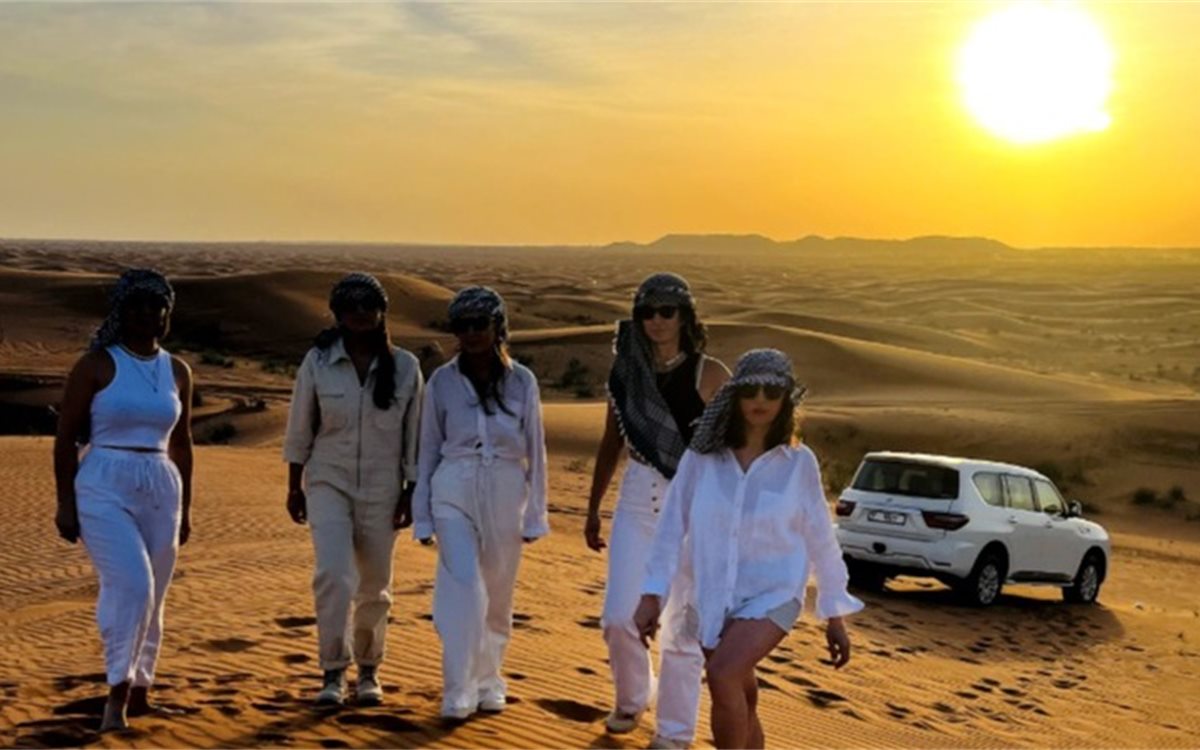
Clothing matters more than many people expect. Closed shoes are safer than sandals. Light, breathable layers work well in warm weather, while a scarf or buff can help with dust. Sunglasses and sunscreen are useful in bright conditions. Long hair should be tied back so it does not catch in equipment. Avoid loose scarves or hanging accessories near moving parts.
Look closely at the vehicle and safety setup
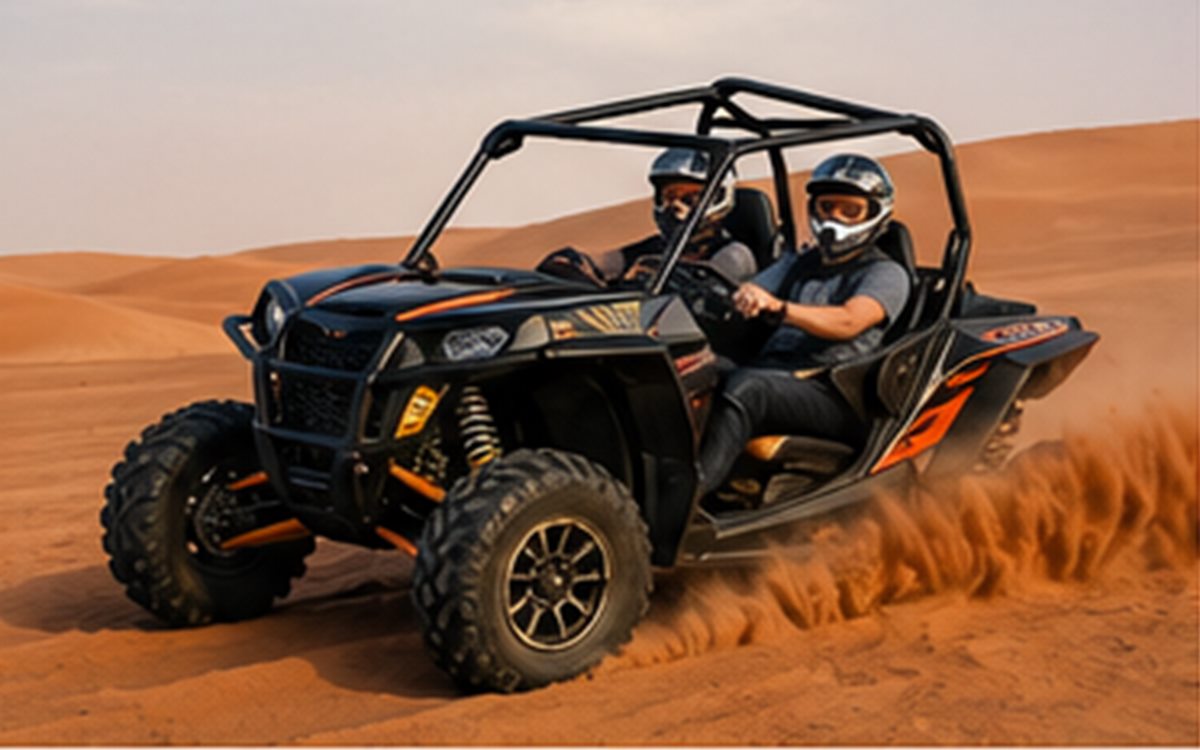
The buggy itself should match the rider and the terrain. A smaller, easier-to-handle vehicle may suit a beginner or a shorter ride. A more powerful buggy can feel quicker and more responsive, but it also needs sharper control. If two车型 are offered, ask which one is recommended for your experience level instead of choosing only by speed.
Safety equipment should be part of the conversation from the start. Helmets are standard, but fit is just as important as presence. A helmet that shifts around gives poor protection and makes the ride distracting. Ask whether gloves, goggles, and other protective items are provided or should be brought. Clean, well-fitted gear usually signals a more organised operation.
Ask how riders are briefed. A clear briefing should cover throttle control, braking, steering, hand signals, what to do if the group stops, and how to respond if another vehicle gets close. beginners benefit from a short practice area before entering busier terrain. If the answer is vague, treat that as a warning sign.
When comparing providers, it is reasonable to check how aljazeeratours.com presents the tour details, since the wording can reveal what is included and what is left open. Clear descriptions of route, duration, vehicle type, and safety arrangements make comparison easier. A listing that relies only on dramatic photos may be less useful than one that explains the actual riding experience.
Understand the schedule before you commit
Duration is often quoted in a broad way. A tour listed as several hours may include pickup, paperwork, safety briefing, driving, photo stops, camp time, and return travel. Ask how much of that is actual buggy driving. This is not about squeezing every minute onto sand. It is about knowing whether the day matches your expectations.
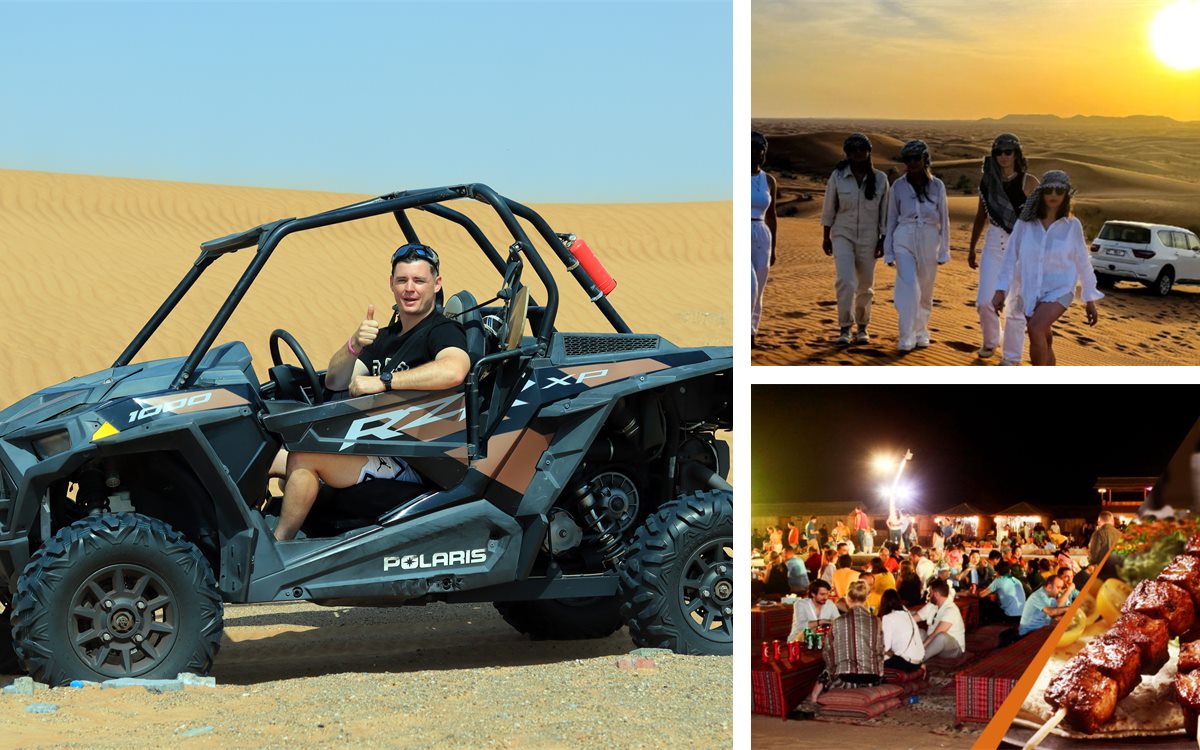
Group size also changes the experience. A large group can be lively, but it may mean more waiting and tighter control on the route. A smaller group often allows smoother movement and more individual attention. If you are travelling as a family or with friends, ask whether you can stay together throughout the drive.
Check the meeting point and transport details. Some tours include collection from a hotel or a set meeting location, while others require guests to reach the starting point independently. Confirm the address, timing, and what happens if traffic delays arrival. Desert routes are less forgiving of late starts because daylight, temperature, and group flow all matter.
Food and extras deserve a careful read too. If a desert safari includes sandboarding, a campfire dinner, or camel riding, find out whether those are part of the same booking or optional additions. Also check whether there is time to change, wash, or rest before the return. A dusty ride followed immediately by a long drive back may not suit everyone.
Compare value, not just the headline offer
Price is a practical part of the decision, but it should not be the only measure. Two tours that look similar on paper can differ in vehicle condition, route length, group size, safety gear, instruction, and how much time is spent driving. A lower headline amount may come with fewer inclusions or a more crowded schedule. A higher one may reflect a more structured experience, though that should still be checked rather than assumed.
Ask what happens if weather affects the route. Wind, heavy sand, or extreme heat can change the plan. A responsible operator will explain how conditions are assessed and whether the route can be adjusted. Flexibility is useful, but safety should stay ahead of keeping to a fixed plan.
Read recent reviews with a critical eye. Look for repeated comments about organisation, vehicle condition, briefing quality, waiting time, and how riders were treated when they needed help. One glowing comment is less useful than a steady pattern across many accounts. Equally, one complaint may not be decisive if the response shows a clear fix. If the same issue keeps appearing, take it seriously.
It can also help to compare a few operators using the same questions. Keep notes on route, riding time, required documents, safety gear, group size, and inclusions. After a few checks, the differences become much clearer than they appear in a single listing.
Ask the final questions and prepare properly
Once a tour feels right, confirm the small points that can cause stress on the day. These are not awkward questions. They are the ones that help a rider arrive ready.
- Which vehicle will be used, and can it suit your experience level?
- What documents, clothing, and safety gear are required or provided?
- How long is the driving portion, separate from transfers and activities?
- What is the plan if weather, group size, or a late arrival changes the schedule?
On the morning of the tour, eat lightly, drink water, and arrive with time to spare. Keep valuables minimal and secure. Phones and cameras can collect dust quickly, so use a sealed pouch or keep them protected during the ride. Listen carefully during the briefing, even if you have ridden before. Terrain and group procedures can differ from one place to another.
A good choice is rarely the loudest advert or the most dramatic route description. It is the tour that matches your experience, gives clear safety information, sets realistic expectations, and leaves enough room to enjoy the desert rather than rush through it. When the practical details line up, the ride itself becomes much easier to appreciate. A little careful checking before booking can turn a rough, dusty day into a well-planned desert outing with the right level of challenge.